

Before It Became a System
Not everything I write fits into a structured system.
Some ideas come from testing, failing, observing patterns, and figuring out what actually works when content meets real search behaviour. That is what the Journal is for. It is where I break things down without frameworks, before they become part of the Playbook.
If you want to understand how I think and work in real situations, you can start with How I Ranked 8 Posts on Page One, where I explain how multiple posts moved into page one and why ranking is more about decision-making than writing. If you are trying to understand the fundamentals, How SEO Actually Works for Content Writers breaks down what actually drives visibility beyond surface-level advice. For a more strategy-driven example, How I Built a Full Travel Campaign Strategy in 60 Minutes shows how thinking translates into execution. And if you want to see how reach scales beyond one market, How I Got Global Traffic as an SEO Content Writer looks at how I approached global visibility.
The Journal is not polished. It is not structured for ranking first. It is where ideas are tested, refined, and sometimes broken before they become repeatable systems.
If the Playbook shows the system, the Journal shows how that system was built.
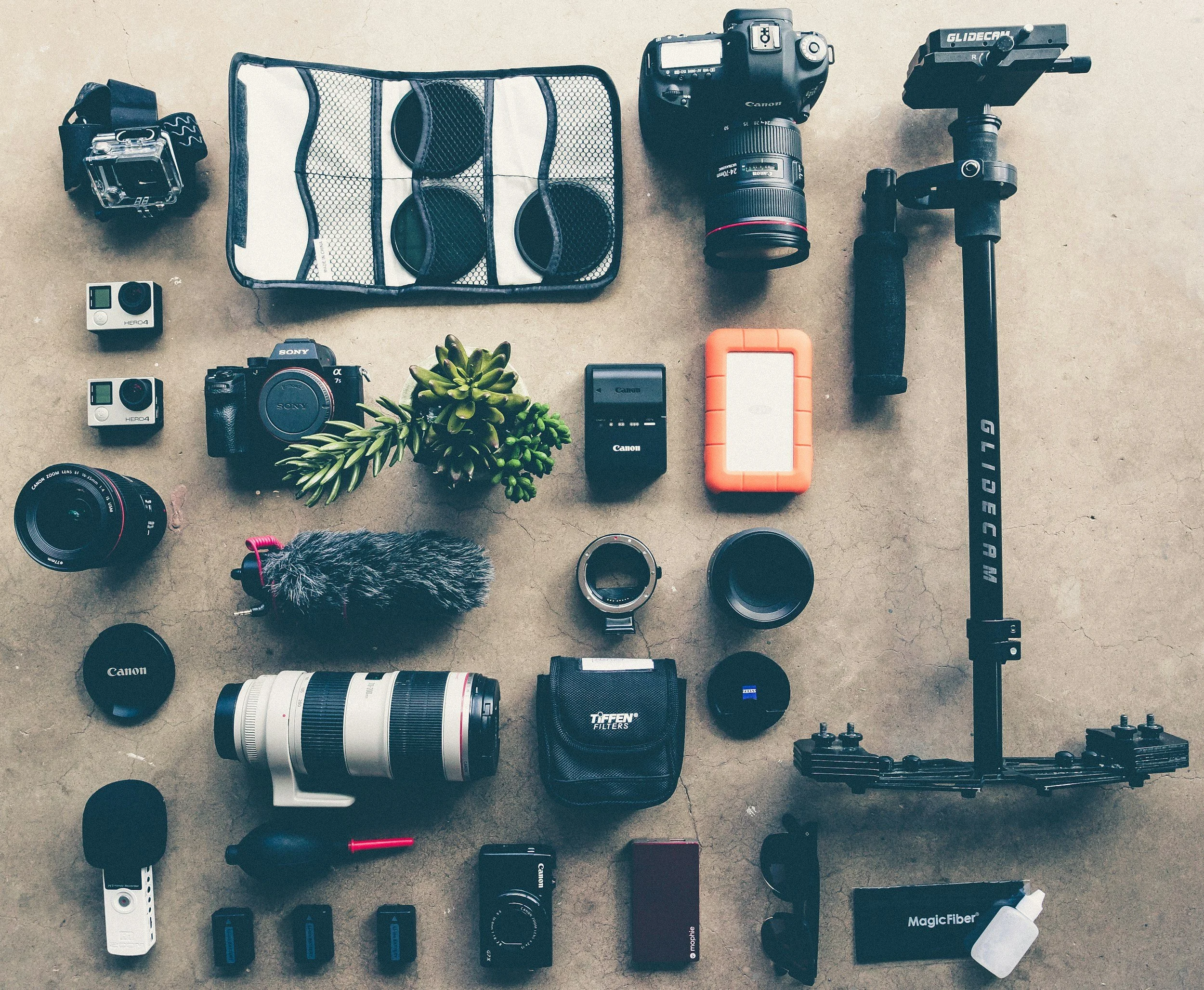
Sony A6400 (16–50mm) Cheat Sheet
The Sony A6400 with the 16–50mm kit lens works best when you adjust settings based on your subject. For landscapes, use Aperture Priority around f/8–f/11 at 16–24mm with ISO 100 for sharp, wide shots, and keep your shutter above 1/60s handheld or use a tripod. For portraits, zoom to 35–50mm, open the lens to f/3.5–f/4.5 for a softer background, keep ISO 100–400, and set your shutter to at least 1/125s while using Real-Time Eye AF. On the streets, stick to f/5.6–f/8, Auto ISO up to 3200, a minimum shutter of 1/200s, and mid-range focal lengths around 24–35mm for natural framing. In low light, shoot wide open (f/3.5–f/5.6), raise ISO to 800–3200 if needed, and keep shutter speeds above 1/60s with OSS on; switch to manual focus if AF struggles. For video, follow the 180° shutter rule (1/50s at 24p or 1/60s at 30p), use f/3.5–f/5.6, the lowest possible ISO, AF-C with Face/Eye detection, and wide focal lengths for vlogging or the long end for cinematic shots.
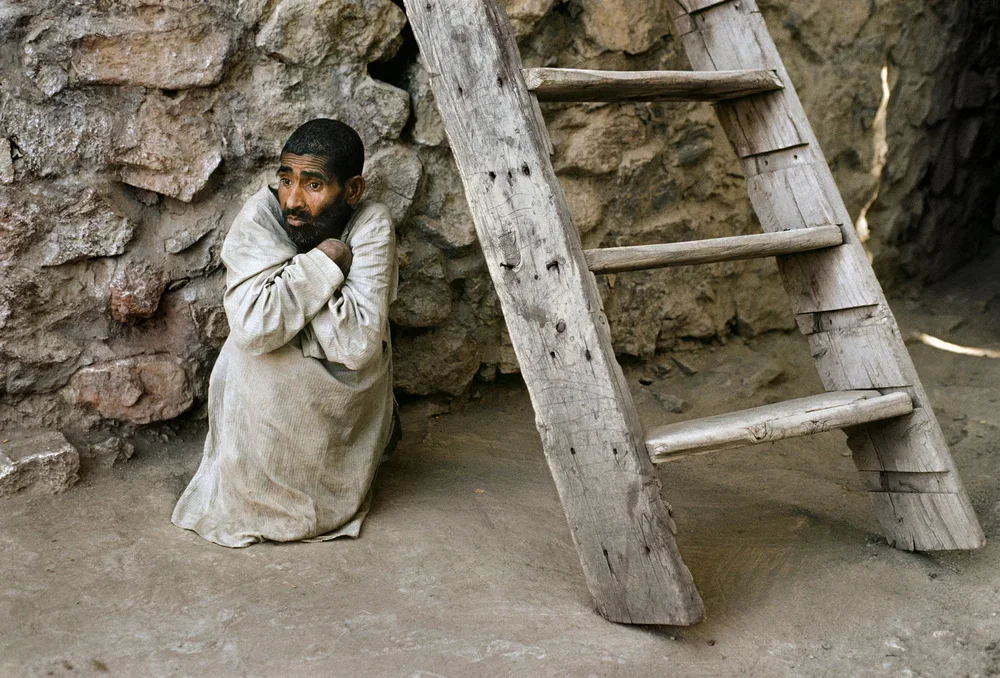
Steve McCurry Photography Style: Colour, Composition and Human Storytelling Explained
Steve McCurry is one of the world’s most influential photographers, renowned for his striking use of color, natural light, and storytelling portraits. From the haunting gaze of the Afghan Girl to vibrant scenes of culture and resilience across the globe, McCurry’s work captures the essence of humanity in all its complexity. This article explores the core elements of his style, recurring themes, and practical lessons for photographers who want to bring more empathy and narrative depth into their images.

Best Places to Photograph Stags in Glencoe, Scotland
Planning a photography trip to Glencoe? This in-depth guide reveals the best places to spot and capture majestic red deer stags across Glen Etive, Kingshouse, and more. Includes seasonal advice, time-of-day tips, GPS locations, and practical techniques using a Canon 4000D with 75–300mm and 10–18mm lenses. Capture Scotland’s Highland giants—ethically and beautifully.

Rainy Weather Camera Guide: How to Protect Your Camera in Mud, Rain and Travel
Travel photography doesn’t stop when the skies turn grey. Whether you're hiking through Scottish rain, capturing stormy coastlines, or navigating humid cities, this comprehensive guide shows travel bloggers how to master both DSLR and GoPro gear in rough weather. From waterproof camera setups and protective gear to switching strategies and location-specific tips, learn how to stay creative—rain or shine.